What actually breaks?
Five kinds of problem respondents see on their own and their clients' sites, ranked by how many raised each one.
- 63%of respondents raised it
Wrong or outdated content
Old offers still live, prices that differ from the catalogue, claims a product no longer meets, messaging that drifts between pages, AI copy that invented a number.
Includes: stale content, wrong product or pricing info, brand inconsistency, AI-generated errors - 43%of respondents raised it
SEO and indexing problems
Pages dropping out of the index, broken metadata, structured data errors, orphan pages nothing links to.
- 40%of respondents raised it
Broken links, buttons and forms
Dead links, redirects lost in a redesign, forms that stopped sending, buttons that lead nowhere.
Includes: broken links and redirects, broken forms and CTAs - 29%of respondents raised it
Duplicate or conflicting pages
The same content on several pages, or two pages that say different things about the same product.
- 16%of respondents raised it
Missing images or alt text
Broken images, missing sources, empty alt attributes. Invisible unless you look at the page itself.
We asked 60+ practitioners about website governance
What makes it hard, and what works for them. Here’s some of what we heard.
Most organizations do not have a website problem. They have an accountability problem.
Anything customer-facing needs a named owner, a review before publish, and a simple changelog so we know what went live and why.
As websites become more connected, governance cannot sit with one department.
If everyone owns a page, no one updates it.
The biggest issue is not usually one major website error. It is the accumulation of small inconsistencies.
A webpage with structured data can pass every validator while handing machines a pile of disconnected and patently incorrect facts.
Good governance shouldn’t make marketing slower. It should make it safer to move faster.
Website or software system governance is really an access and compliance posture.
What makes a website hard to govern?
Three problems came up again and again. Most respondents named more than one.
Continuity
After launch, pages go stale, fixes get undone, and nobody notices.
Again and again, we heard that passing an audit doesn’t keep a site correct. Fixed issues come back weeks later, and pages stay live long after the offer behind them has ended.
What we heard
A campaign page outlived the offer. Sales kept sending it, support got confused tickets, prospects hit a dead end.
 Tim PetersCMO, Guideline
A search snippet on one of our sites advertised a restaurant as open on Friday nights, two months after it closed. Three straight content audits passed it as clean.
The biggest problem was regression. You fix a website today and then another change breaks something six weeks later.
Ownership
Nobody clearly owns the site, the page, or the fix.
Every team assumes another one owns the fix. And the people who spot a problem often don’t know who to tell.
What we heard
Ask a firm who is responsible for their website and you get one of three answers: our IT person, our web agency, or our hosting provider. Each answer feels reasonable. None of them is correct.
 Garrett GoldmanStateWP
All teams involved want the credits of the results, but… no one wants to be blamed when there’s a failure or a mistake is made.
Landing pages, help docs, and partner microsites are where brand drift and outdated claims show up first, usually because three teams each think the other owns the fix.
Scale and complexity
More pages, people and systems than anyone can keep consistent by hand.
Respondents described problems that multiply quietly as a site grows. One mistake in a shared template repeats on every page, and years of small changes leave thousands of pages nobody owns.
What we heard
The difficult part is often knowing when a simple website change has wider implications. A new form may look like a content update, but it can also involve personal data, consent, analytics, and third party tools.
 Colleen BarryHead of Marketing, Ketch
Google Search Console showed about 22,700 non-indexed URLs against roughly 1,076 real listings. No single mistake caused it; it was years of nobody owning the URL structure.
When you reuse something across multiple pages, you also repeat the mistake.
How websites are kept in check today
What teams asked about their governance process actually do.
Mostly people and documents. Very little watches the live site.
Only 13% have something automated watching the live site.
The rest find out when a person looks, or a customer does.
- A named ownerper site, page or area50%
- Written rulesstandards, source of truth, RACI47%
- Manual review before publishstaging, checklists, QA41%
- Scheduled auditsmonthly or quarterly, by people38%
- Approval gatessign-off before changes go live25%
- Automated checks on the live sitescanners, monitors, scripts13%
Who should own the website?
Three teams usually end up owning it. Pick a card to see what each one is strong at, and where it falls short.
Tap a card to flip it
of the teams we asked have one clear owner for their website. The other half do not.
Does your website have one owner responsible for its quality?
Pick an answer to see how others answered.
What makes a website too big to check by hand?
Three things make it worse: more people, more pages and more systems. The more a site has of each, the less anyone can check it by hand.
What they mentioned, % of respondents
What they mentioned, % of respondents
What they mentioned, % of respondents
Where AI already does the checking
A separate group of teams already uses AI to check their website. What the AI checks for them, and how the workflow runs.
What the AI checks
How the workflow runs
One workflow to find and fix website issues
Website feedback tool
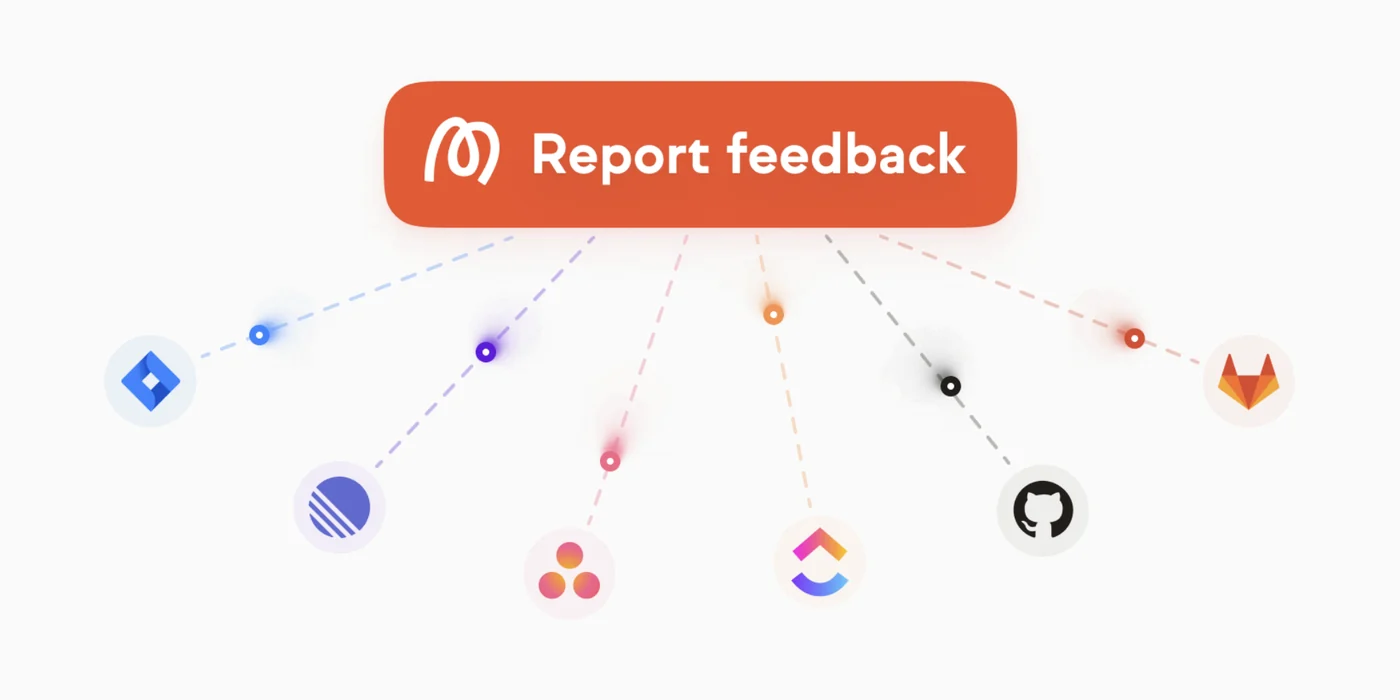
Anyone reports an issue straight from the page.
Sends to Jira, Asana, Notion and more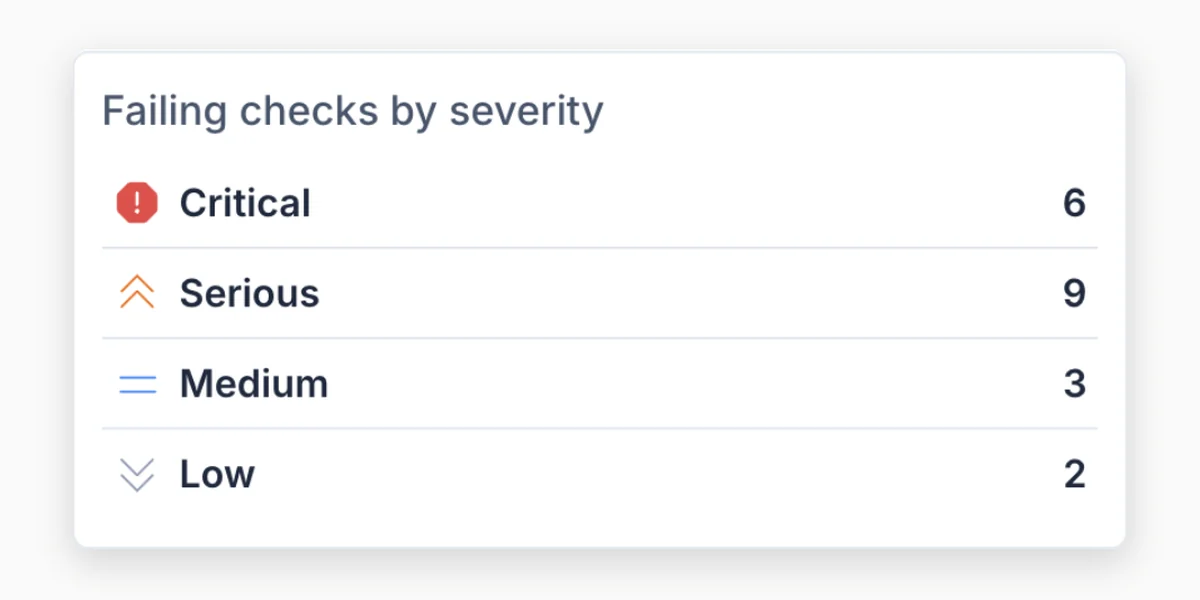
Website monitoring
Finds website issues before your users do, each with a screenshot and a plain-English fix.
Scheduled scans of your whole website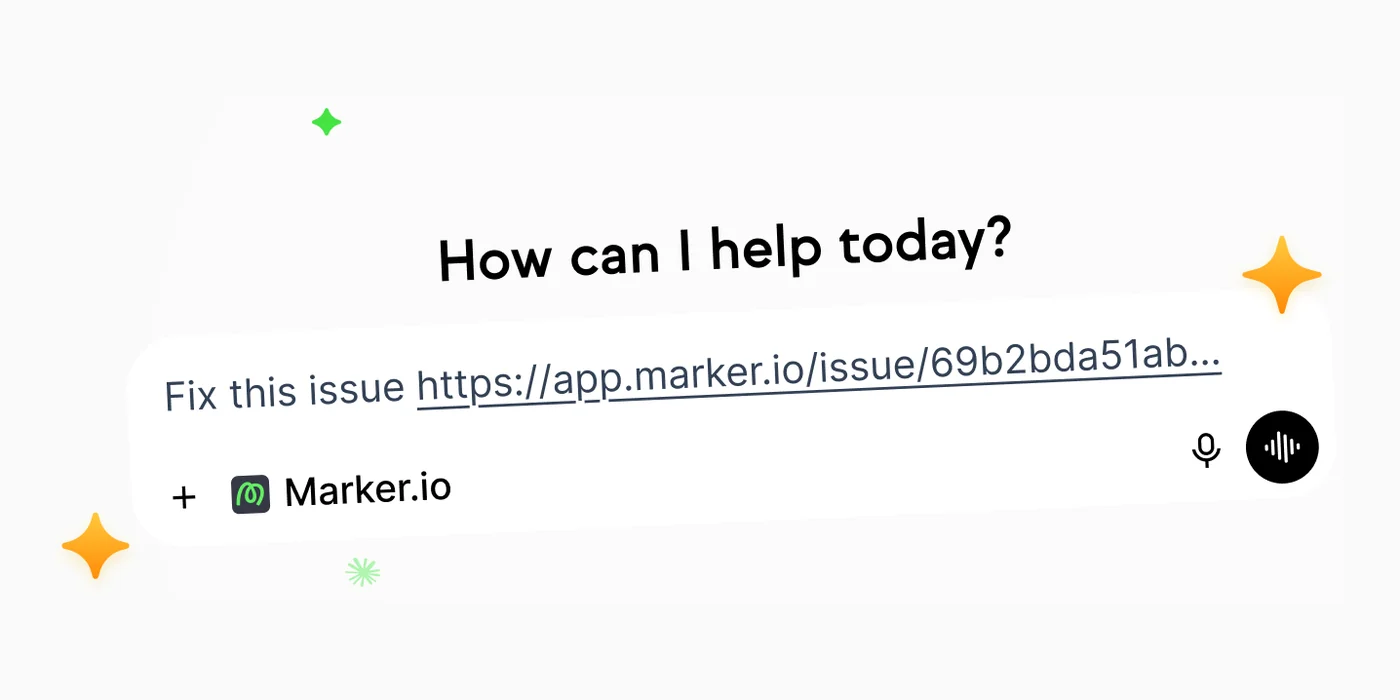
MCP for AI agents
AI agents read each issue and work on the fix.
Works with Claude, ChatGPT, Cursor